Blog
Tips on menstrual health, cycle tracking, and guides on how to use Femora.
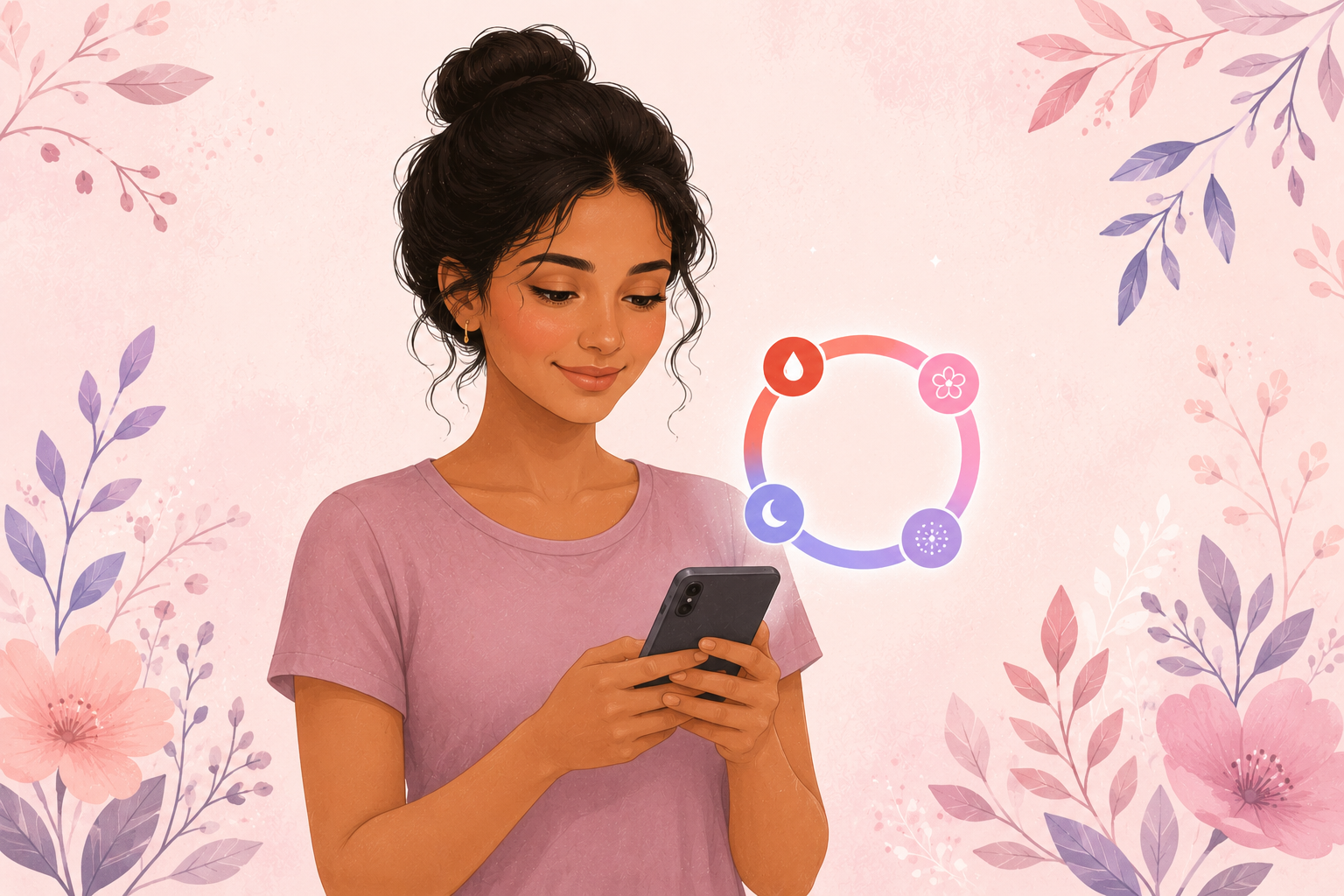
How to Use the Femora App: A Complete Guide
Learn how to get started with Femora, track your period, log symptoms, and understand your cycle with our step-by-step guide.
Irregular Periods: Causes, Tests, and What Actually Helps
What counts as irregular periods, the causes grouped by mechanism, the tests a doctor runs, what helps for each cause, and when to book an appointment.
Fertility Awareness Methods: A Beginner's Guide to Tracking Your Fertile Days
Calendar, temperature, cervical mucus, symptothermal, ovulation tests, and wearables compared: how each works, typical-use effectiveness, and how to start.
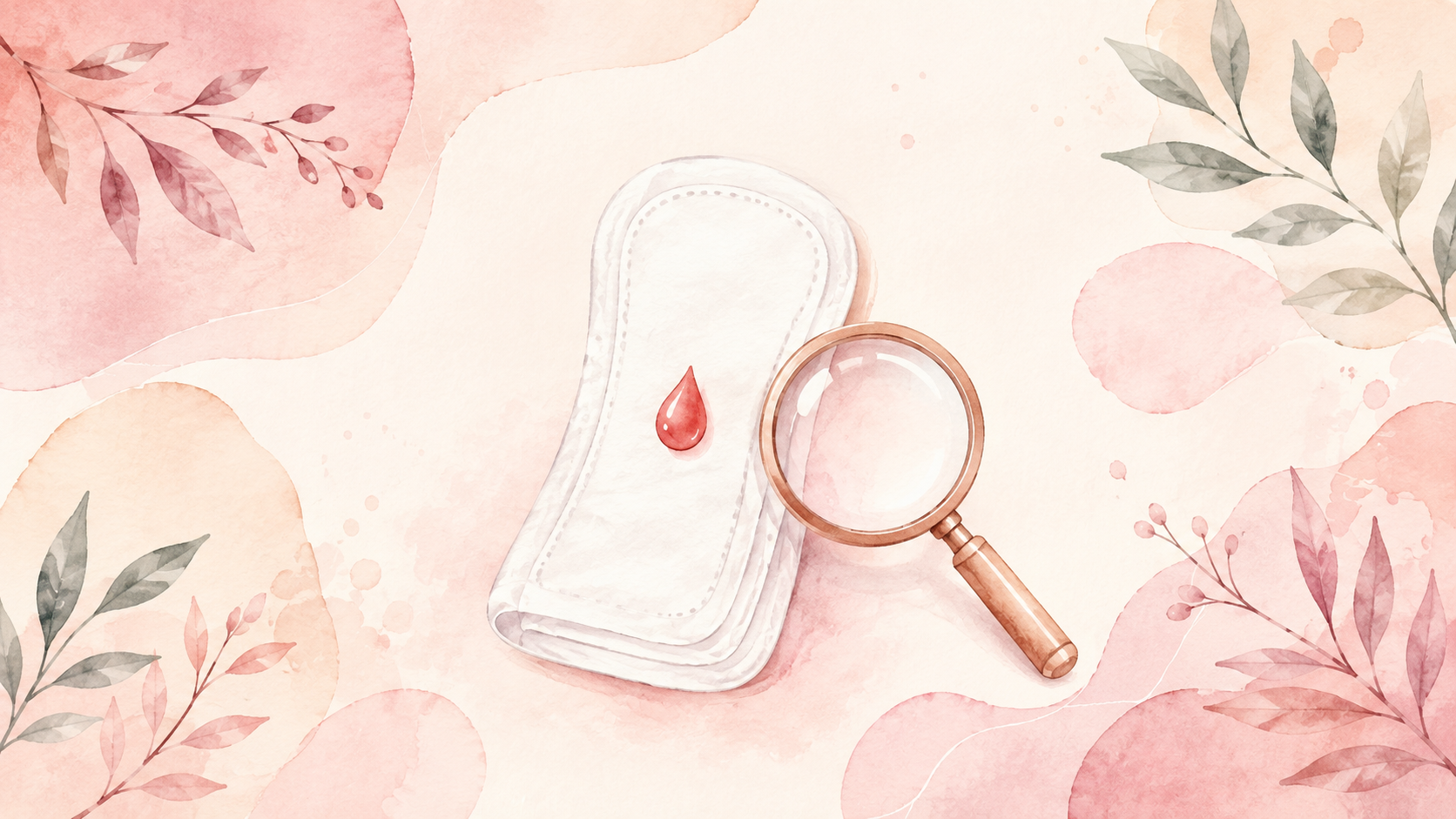
HPV Testing From a Period Pad: What the 2026 Menstrual Blood Studies Mean for You
A 3,068-woman BMJ study found that menstrual blood collected on a modified sanitary pad detected high-grade cervical precancer with 94.7% sensitivity, on par with a clinician's swab. Here is what that means, what else menstrual blood can already test for, and why it is not on your pharmacy shelf yet.
94,000 Nights of Apple Watch Data: How Sleep Actually Changes Across Menopause
Harvard's Apple Women's Health Study tracked 338 women through their final period using Apple Watch sleep data. The result: about 4 extra minutes awake per night after menopause versus 1 minute from ageing alone, 60% showing more wake time in the 18 months before, and a clear list of which symptoms wreck sleep most.
Prolactin in Women: Pregnancy, Breastfeeding, and When It's Too High
Prolactin is the milk hormone, but it is also one of the most common and most treatable reasons a period goes irregular or stops. Here is what it does in pregnancy and breastfeeding, what a high result means when you are neither, and how the test is misread.
Getting the Most Out of Femora's Sunshine Feature: 8 Tips for Smarter Sun
You've got the Sunshine feature - here's how to actually get more vitamin D from every minute outside, without burning. Eight practical, evidence-based tips for using real-time UV, your skin type, and the Live Activity to soak smarter.
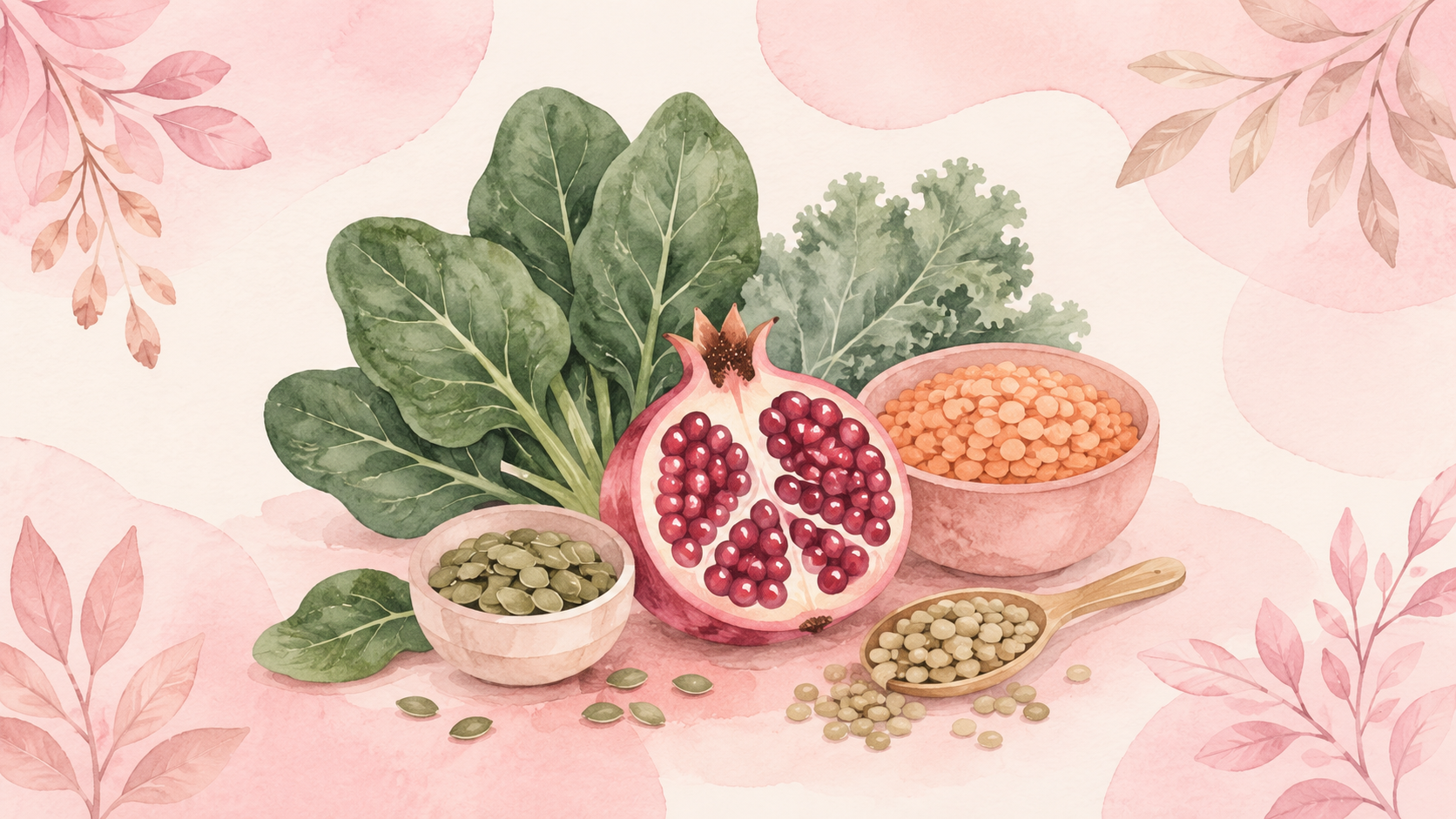
Iron, Your Period, and Fatigue: A Woman's Guide to Low Iron
Iron deficiency is the most common nutrient shortfall in the world, and women of reproductive age carry most of it. Here are the signs worth noticing, the foods and habits that raise your iron, and the questions people search most.

Sex, Libido, and the Mental Load: The Postpartum Recovery No One Preps You For
The six-week check clears you for sex, but nobody explains the painful reality, the missing libido, the emotional readiness, or the invisible mental load. Here's an honest guide to intimacy, your body, and your relationship after birth.

How to Use Femora's Sunshine Feature: Turn Time in the Sun Into Vitamin D
Femora's Sunshine feature tracks the vitamin D you make during real sun exposure - personalized to the live UV index, your skin type, clothing, and sunscreen. Here's how to use it, step by step.
Vitamin D and Your Menstrual Cycle: What the Research Actually Shows
Vitamin D behaves more like a hormone than a vitamin, and low levels show up again and again alongside PMS, period pain, and irregular cycles. Here's what the evidence says - and what it doesn't.
How Much Sun Do You Actually Need for Vitamin D?
Ten minutes? Half an hour? It depends on the UV index, your skin tone, the season, and what you're wearing. Here's how sun exposure actually converts to vitamin D - and why more sun stops helping.