Blog
Tips on menstrual health, cycle tracking, and guides on how to use Femora.
Page 4 of 8
How Long Should a Period Last? What Is Normal and What Is Not
A normal period lasts 2 to 7 days, most commonly around 5. Here is what changes period length across life stages, when a 2-day or 8-day period matters, and the red flags worth a checkup.
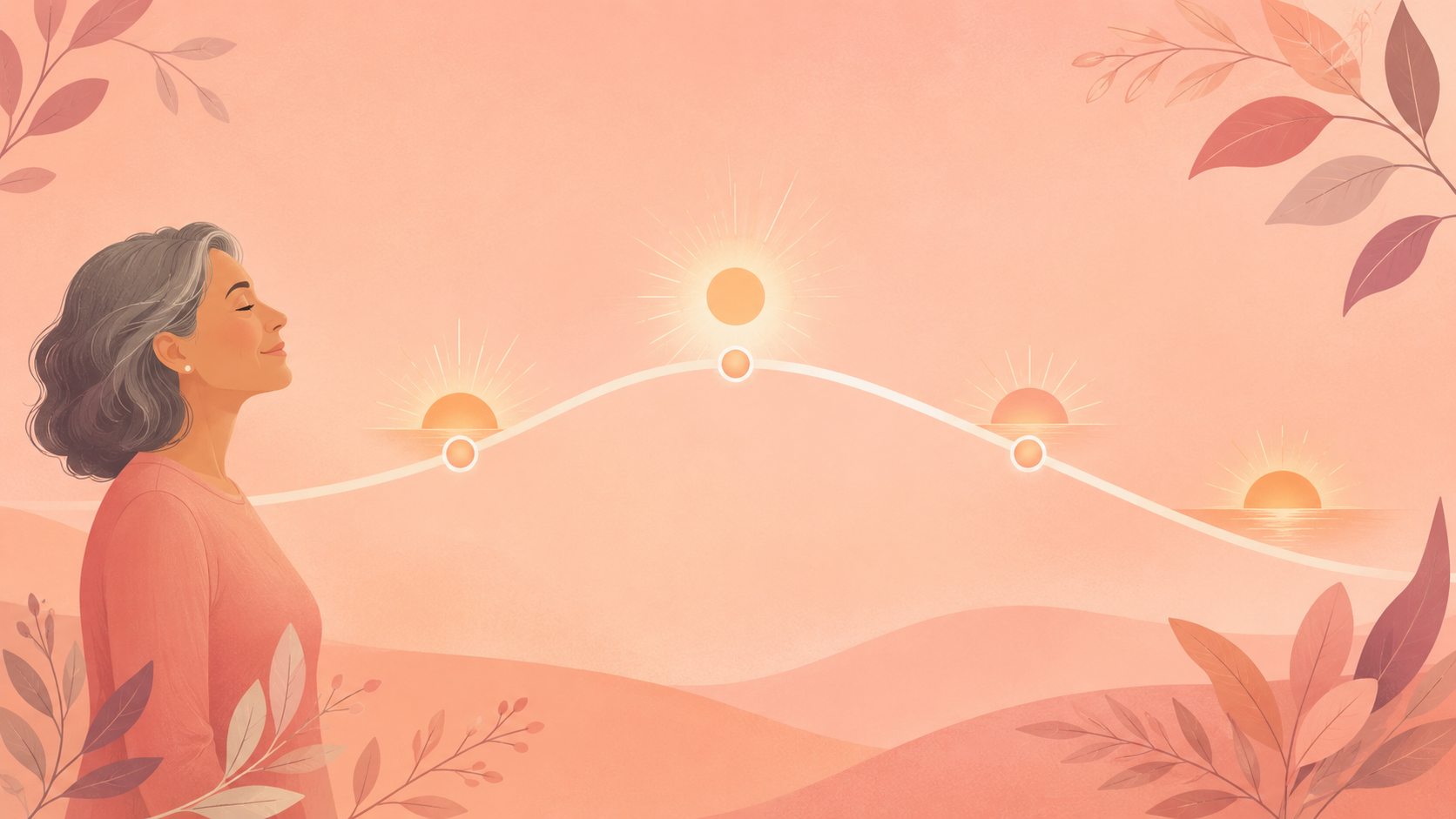
How Long Do Hot Flashes Last? What to Expect and When They End
A single hot flash lasts a few minutes, but the years of hot flashes are the real question. The landmark SWAN study found a median of 7.4 years - here is what determines your timeline and how to shorten the misery.
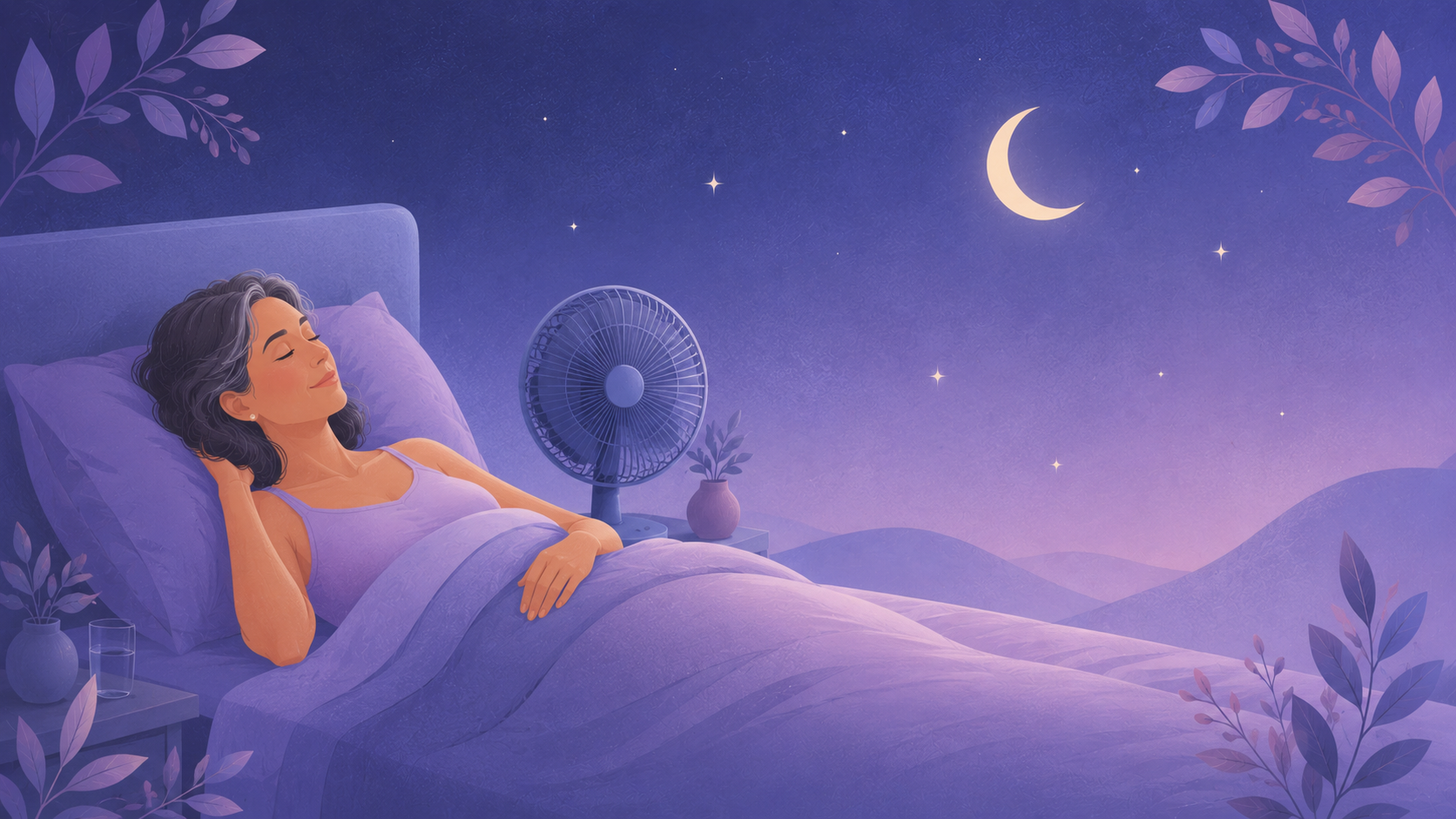
Night Sweats During Menopause: Why They Happen and How to Stop Them
Menopausal night sweats are hot flashes that strike while you sleep, soaking your bedding and wrecking your rest. Here is why they happen, what actually cools them down, and when night sweats mean something else.
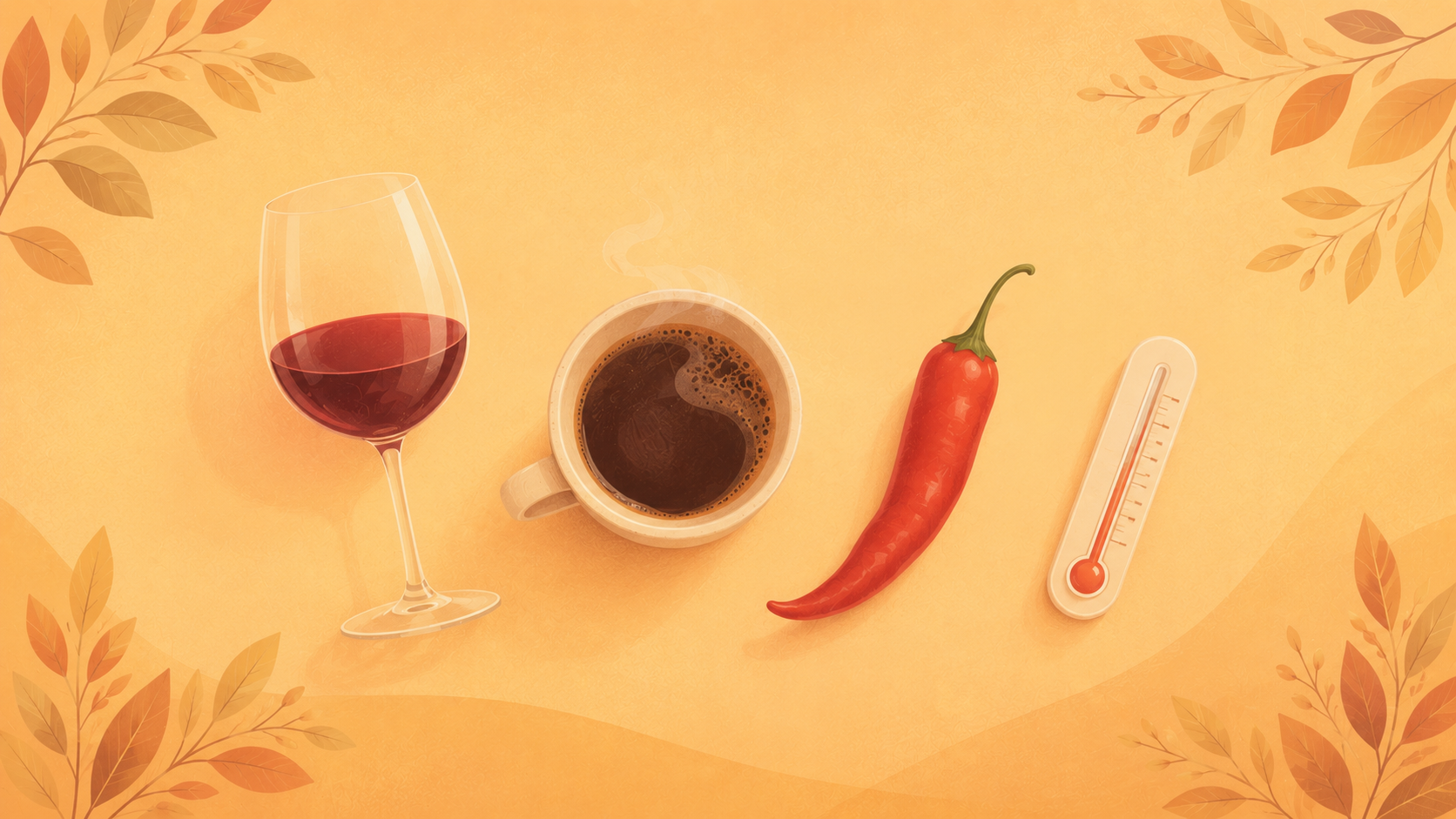
What Triggers Hot Flashes? The Foods, Drinks, and Habits to Watch
Alcohol, caffeine, spicy food, stress, and warm rooms are the classic hot flash triggers - but yours are personal. Here is the full list, why each one sets off a flash, and how to find your own pattern.
Menopause and Sleep: Why Insomnia Hits and What Actually Helps
Menopause disrupts sleep through night sweats, falling estrogen and progesterone, and rising anxiety. Here is why insomnia is so common in the transition and the evidence-based steps that improve it.
Hormone Therapy for Menopause in 2026: Benefits, Risks, and the New Label
Menopausal hormone therapy is the most effective treatment for hot flashes, and in 2026 the FDA updated its labeling. Here is what MHT does, who it suits, the real risks, and how it compares to non-hormonal options.
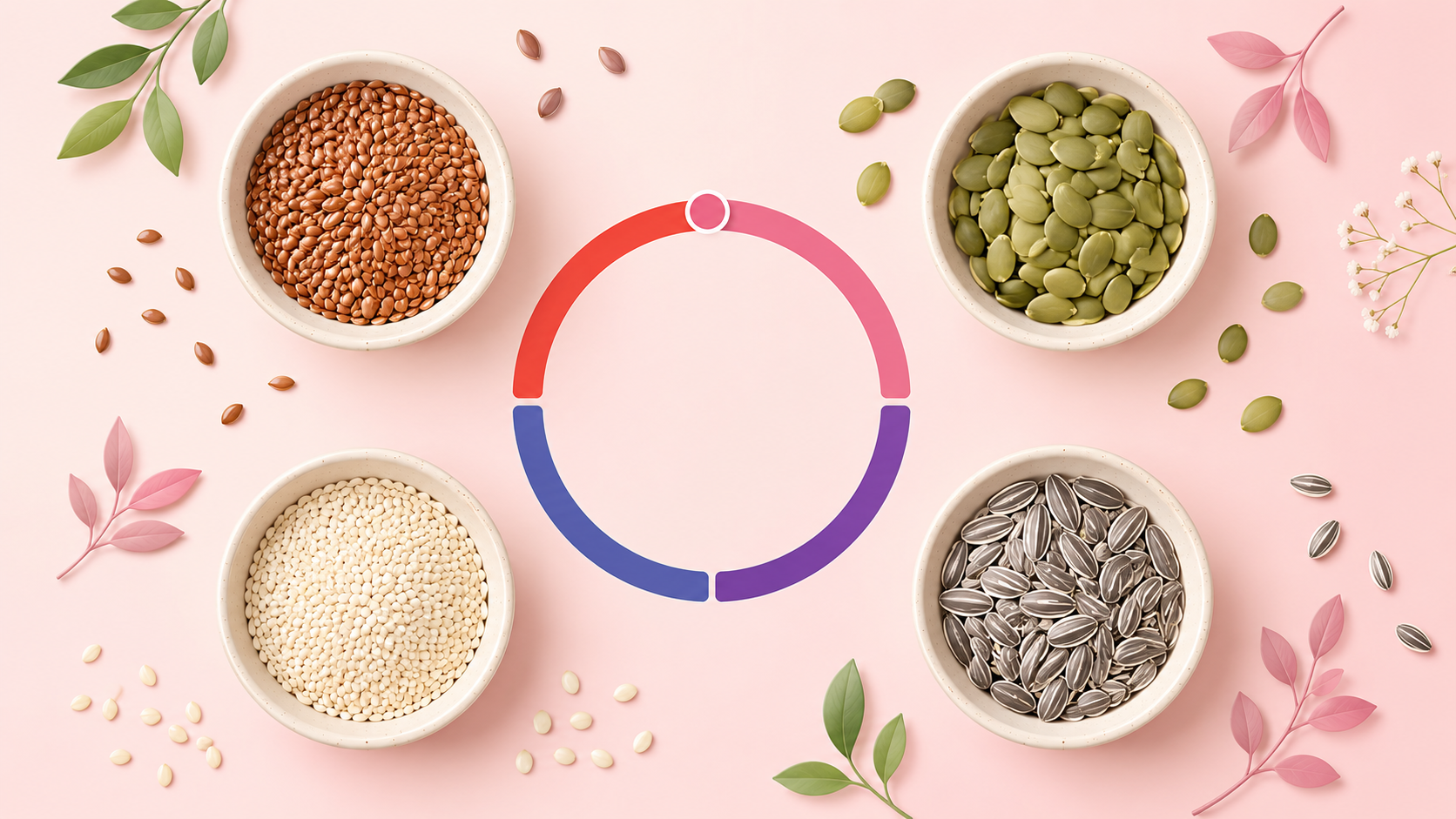
Seed Cycling for Hormones: What It Is and What the Evidence Says
Seed cycling swaps four seeds across your cycle to 'balance hormones.' Here is how the protocol works, what the research actually shows, and an honest take on whether it is worth trying.
The Best Exercises for Period Cramps and PMS
Movement is one of the few period-pain remedies with solid research behind it. Here are the exercises that actually help with cramps, PMS, and low energy, and when to take it easy instead.
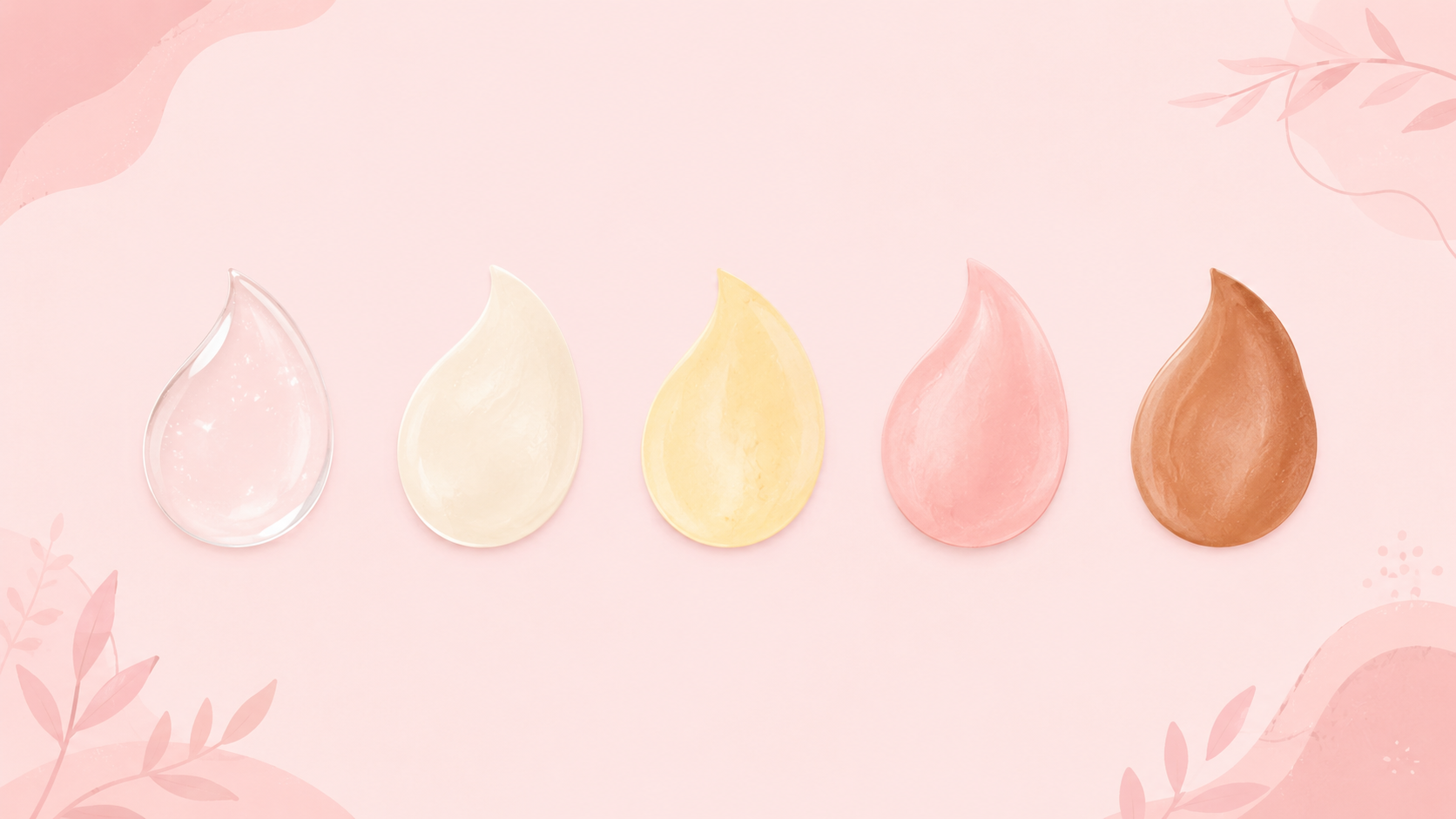
What Your Vaginal Discharge Color Means
Clear, white, yellow, green, brown, pink, gray - a plain-English guide to what each discharge color signals, what is normal, and exactly when to see a doctor.
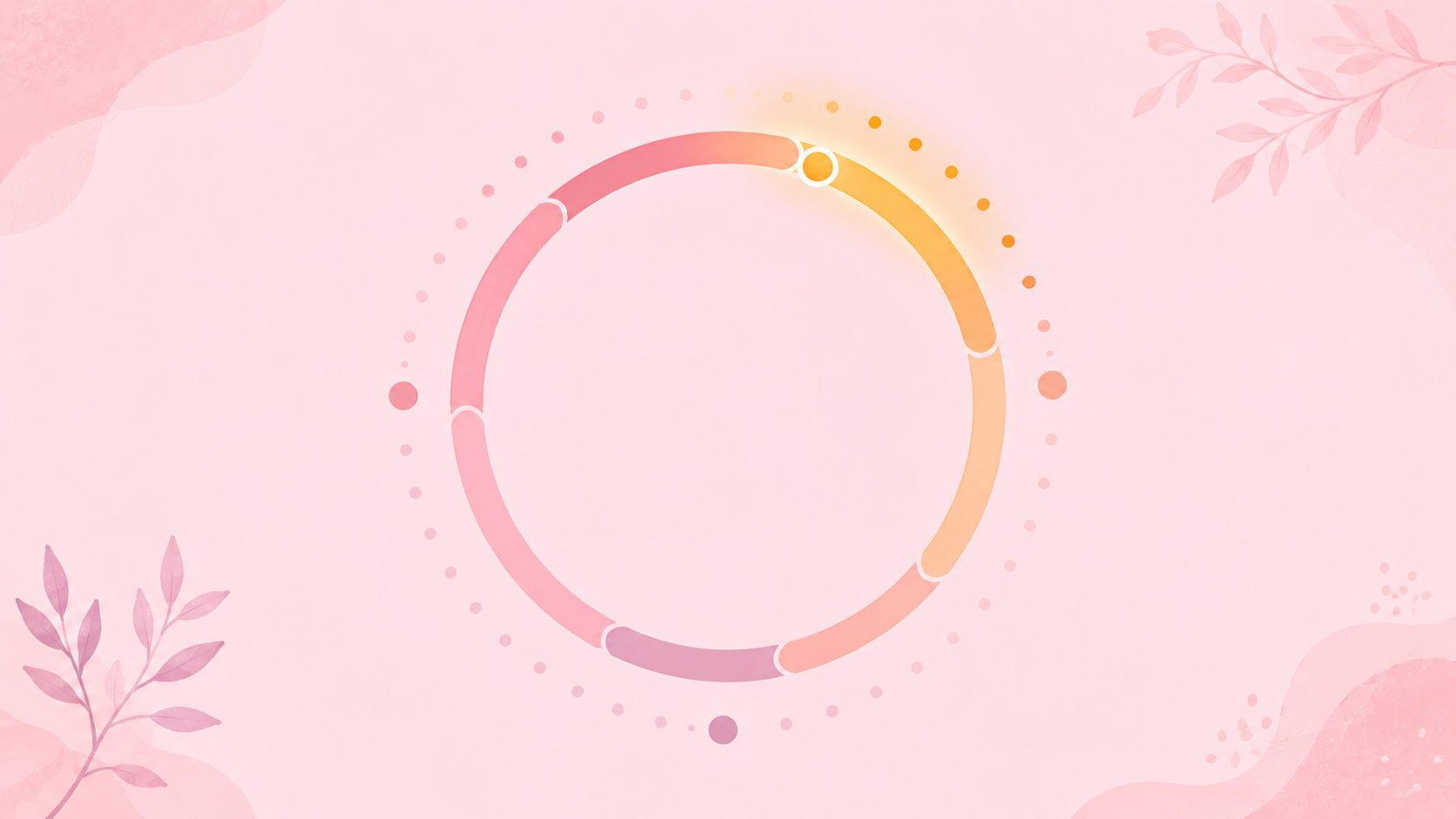
How Long Does Ovulation Last? Your Fertile Window Explained
Ovulation itself lasts about 24 hours, but your fertile window spans 6 days. Here is the difference, why it matters for conceiving or avoiding pregnancy, and how to track it.
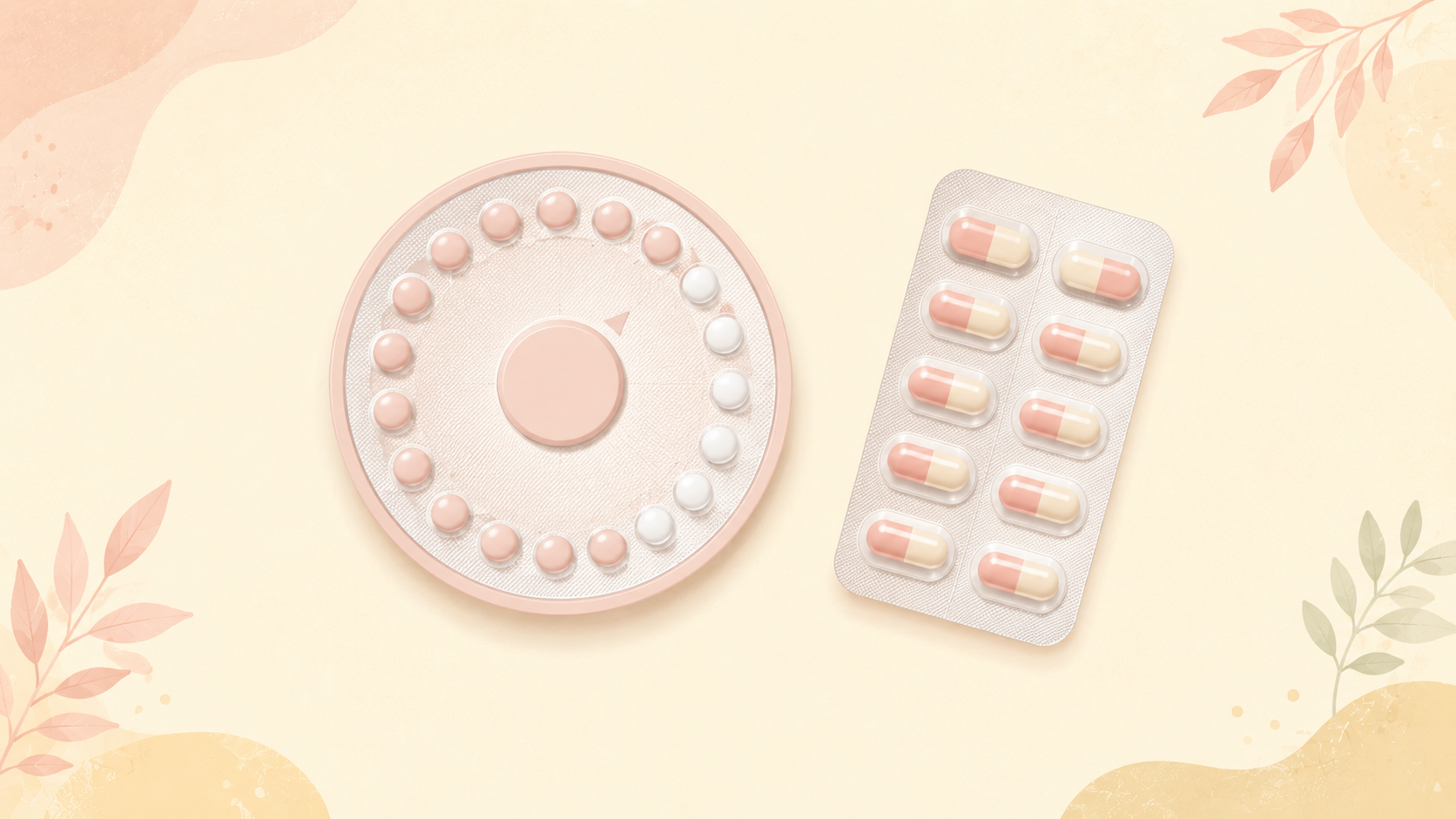
Do Antibiotics Affect Birth Control? What the Evidence Says
The belief that antibiotics stop the pill from working is mostly a myth. Only one class actually does. Here is which antibiotics matter, which do not, and when to use backup.
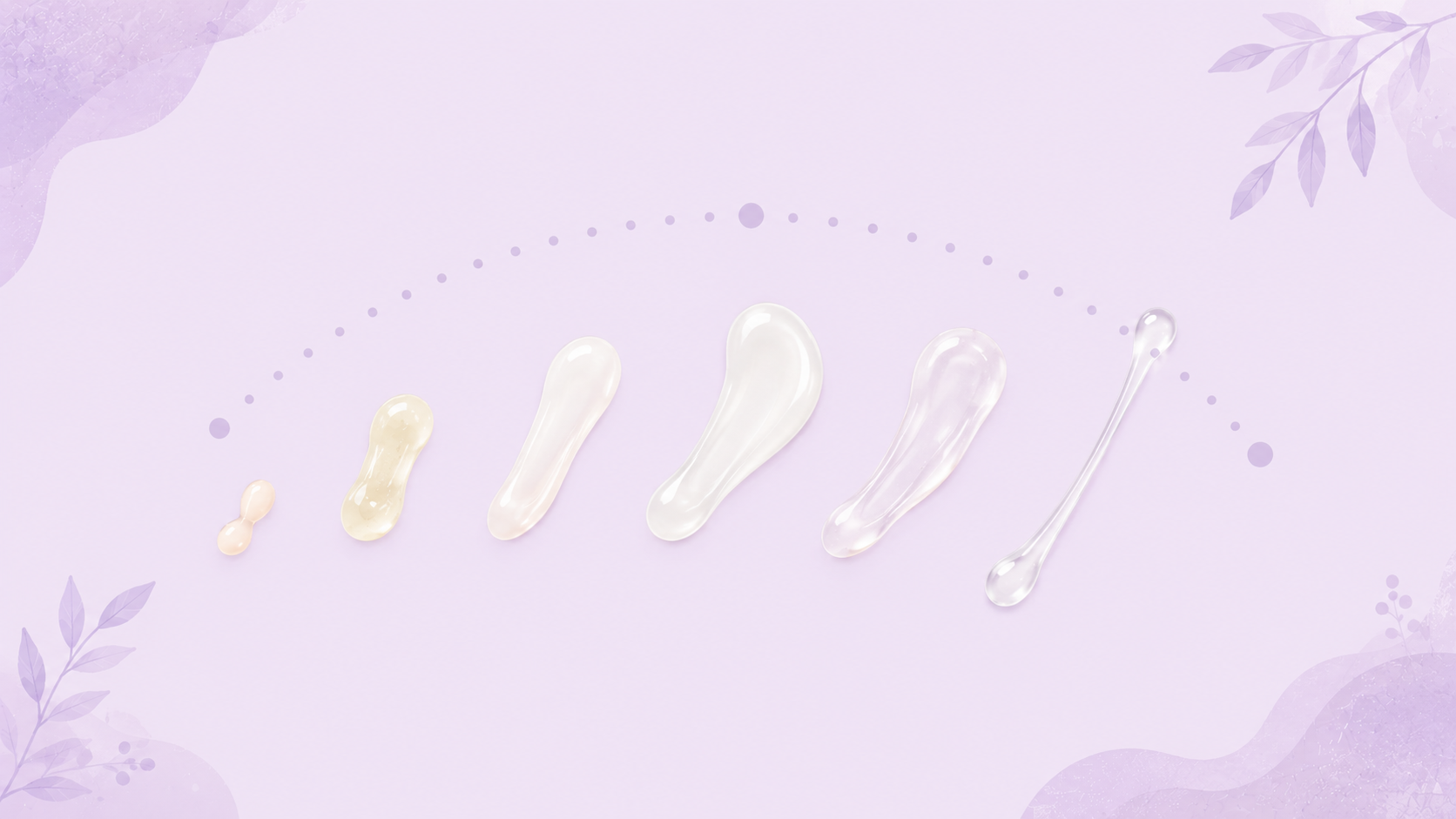
Cervical Mucus Through Your Cycle: A Complete Guide
Cervical mucus changes from dry to creamy to egg-white and back every cycle. Learn to read each stage, spot your fertile days, and know what is normal versus a red flag.