Blog
Tips on menstrual health, cycle tracking, and guides on how to use Femora.
Page 6 of 8

Thyroid and Your Menstrual Cycle: The Hidden Link
An underactive or overactive thyroid can make periods heavy, light, irregular, or stop them altogether - and it is a common, treatable cause of cycle problems that often gets missed. Here is how the thyroid steers your cycle and what to ask for.
Ozempic, GLP-1 Drugs, and Your Cycle: Fertility in 2026
GLP-1 drugs like Ozempic and Wegovy are quietly changing women's cycles and fertility - the so-called 'Ozempic babies' effect. Here is how they affect ovulation, why they can make birth control less reliable, and what to know before trying to conceive.
Late Period: 12 Reasons Beyond Pregnancy
A late or missed period does not always mean pregnancy. From stress and weight changes to thyroid problems, PCOS, and perimenopause, here are 12 common reasons your period is late - and when a missed period is worth a doctor's visit.
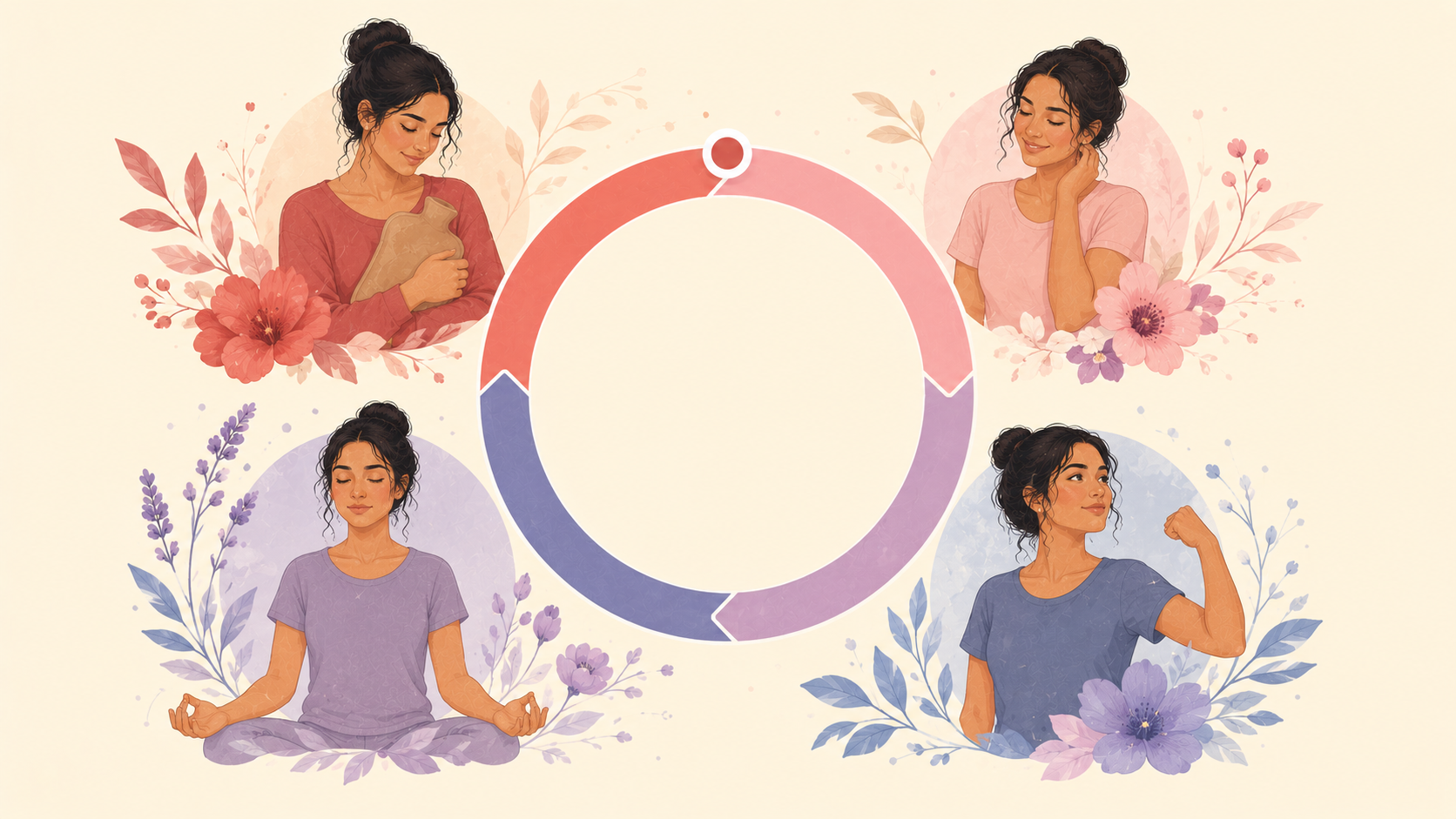
The Four Phases of Your Cycle (and What Each Feels Like)
Your menstrual cycle has four phases - menstrual, follicular, ovulation, and luteal - each driven by different hormones and each with its own feel. Here is what happens in your body and mood through every phase, and how to work with it.
Implantation Bleeding vs Your Period: How to Tell
Light spotting a few days before your period is due can be early pregnancy - implantation bleeding - or just your period starting. Here is how to tell the difference by color, flow, timing, and the other signs that point one way or the other.

Early Pregnancy Symptoms: A Week-by-Week Guide
The earliest pregnancy symptoms often start before a missed period and unfold week by week through the first trimester. Here is what tends to appear when - from implantation spotting to nausea, fatigue, and breast changes - and when to test and call your doctor.
Adenomyosis in 2026: New Guidance for the Condition 1 in 3 Women Have
In April 2026, Obstetrics & Gynecology published major new clinical guidance on adenomyosis - the overlooked uterine condition that affects up to 1 in 3 women. It moves diagnosis off the operating table and challenges the idea that a hysterectomy is the only fix. Here's what changed and what it means if you have heavy, painful periods.
Can a Wearable Predict Your Period? Smart Rings and AI in 2026
Smart rings and watches now promise AI-powered cycle tracking. Here's what wearables actually measure, why they confirm ovulation instead of predicting it, and how to combine them with logging for the best read.
At-Home Hormone Tests: What AMH, FSH and LH Can (and Can't) Tell You
At-home hormone kits are booming, but their value depends on which hormone you test. Here's what AMH, FSH, LH, and progesterone actually measure, what they can't tell you, and how to time them.

Vaginal Health in 2026: Infections, Care, and What's Normal
A complete guide to vaginal health: what's normal, the main infections (BV, yeast, trichomoniasis), everyday care and hygiene, and the 2026 shift toward treating recurrent BV as sexually transmitted.

The 2026 NICE Fertility Guidelines: When to Seek Help Conceiving
NICE published its first major fertility update since 2013 on March 31, 2026. Here's what changed - when to seek help, the new age thresholds, and how to use the months before that to give yourself the best shot.
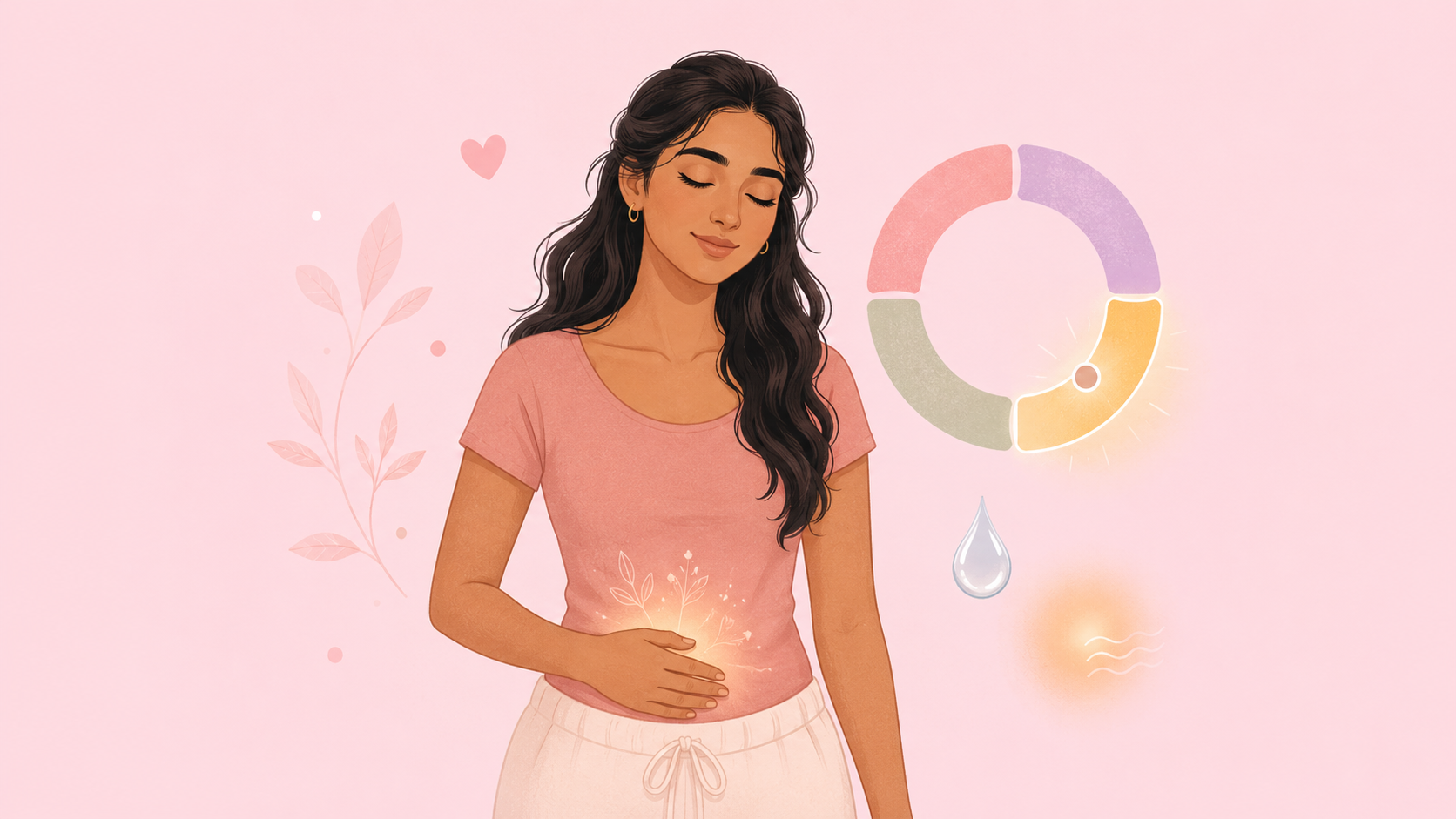
Ovulation Symptoms: How to Tell When You're Ovulating
Ovulation has clear, trackable signs - changes in cervical fluid, a basal body temperature shift, a mid-cycle ache, and a hormone surge you can test for. Here's how to read each one and pin down your fertile window.